
Low vision can make everyday tasks at home feel harder than they used to. Reading medication labels, preparing meals, using stairs, managing glare, or moving around at night may take more effort and planning.
For people considering low vision treatment in Orange, CT, home safety is often part of a bigger goal: staying independent. Low vision cannot be fully corrected with standard glasses, contact lenses, medication, or surgery, but the right tools and strategies can help you use your remaining vision more effectively.
Start with a low vision evaluation
Before changing your home, it helps to understand how your vision affects daily life. Low vision can look different for each person. Some people struggle with central vision, while others have trouble with side vision, contrast, glare, or dim lighting.
A low vision evaluation looks beyond the eye chart. Your provider may ask about your home, hobbies, reading needs, work, mobility concerns, and daily routines. This helps guide recommendations that fit your life instead of relying on guesswork.
Specialized care may include magnifiers, telescopic aids, filters, specialty lenses, or video magnification. The goal is to match the right tools to the tasks you care about most while helping you understand the difference between low vision and blindness.
Improve lighting and control glare
Lighting is one of the simplest ways to make your home safer. However, brighter is not always better. Harsh light can create glare, shadows, and reflections that make it harder to see.
Add focused task lighting where you read, cook, manage medication, or handle paperwork. Useful areas include:
- Kitchen counters
- Reading chairs
- Bathroom vanities
- Medication areas
- Hallways and stairways
Glare control matters too. Adjustable blinds, indirect lighting, matte finishes, and glare-reducing filters may improve comfort, especially during bright afternoons or darker Connecticut winter months. Thoughtful lighting adjustments can improve vision at home and make daily tasks feel more manageable.
Add contrast where it matters most
Contrast helps important objects and edges stand out. Small changes can make daily routines safer without requiring a major renovation. Try:
- Adding contrasting tape to stair edges
- Using placemats that contrast with plates
- Choosing towels that stand out from counters or walls
- Labeling medications with bold, large-print text
- Using cutting boards that contrast with food
- Choosing light switch plates that contrast with the wall
These updates can be especially helpful for people with macular degeneration, diabetic eye disease, glaucoma, or other conditions that affect detail, contrast, or peripheral vision.
Reduce fall risks in high-use areas
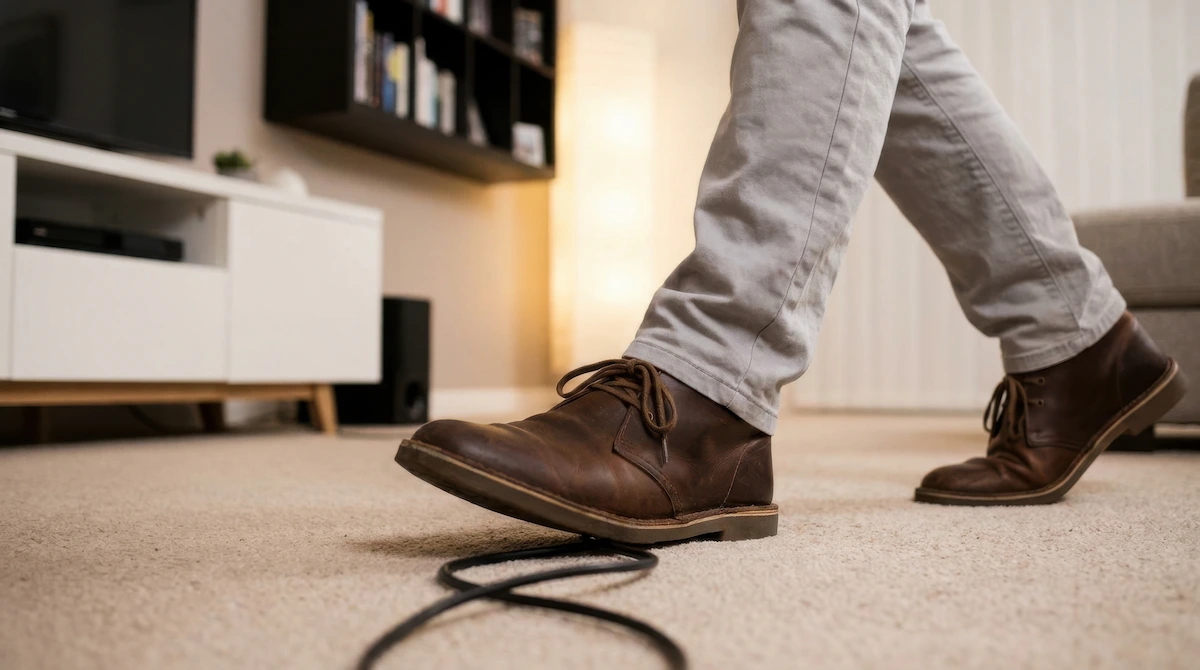
Low vision can make it harder to notice cords, rugs, steps, pets, furniture, or changes in flooring. Focus first on the areas you use every day. Consider these updates:
- Remove or secure loose rugs.
- Keep cords away from walkways.
- Add nightlights in halls and bathrooms.
- Keep stairs clear of clutter.
- Use non-slip mats in bathrooms.
- Add grab bars or handrails where needed.
Clear, predictable pathways can make it easier to move through your home with more confidence.
Match low vision aids to your daily goals
Low vision aids are not one-size-fits-all. The best option depends on what you want to do more comfortably, whether that is reading, cooking, watching TV, sewing, using a computer, or recognizing details at a distance. Options may include hand-held magnifiers, stand magnifiers, spectacle magnifiers, telescopic aids, video magnifiers, or absorptive filters to reduce glare and improve contrast. Access to advanced technology, specialty low vision services, and high-quality optical products can make these recommendations more precise.
Know when home changes are not enough
Home updates can help, but ongoing difficulty with reading, walking, cooking, recognizing faces, or managing glare should be evaluated. Low vision may be related to conditions that require ongoing care, including macular degeneration exams, diabetic eye exams, or glaucoma exams.
Support your safety and independence at home
Making your home safer with low vision starts with practical changes, but personalized eye care can make those changes more effective. Schedule a low vision evaluation to learn which tools, strategies, and specialty options may help you move through your home with more comfort, safety, and confidence.